
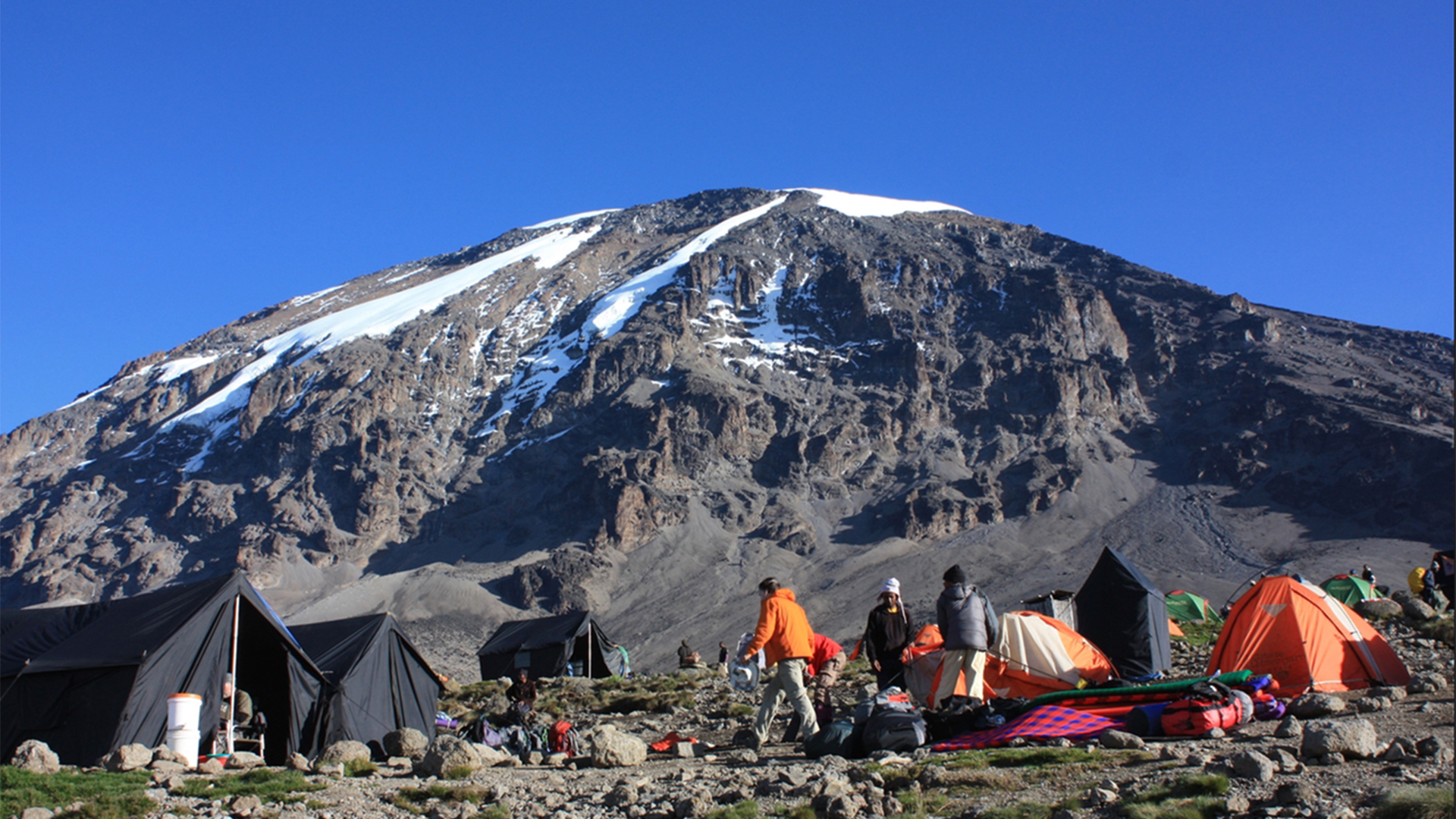
Climbing Mount Kilimanjaro is often seen as a physical challenge, a test of endurance and strength. But for many, it is also a deeply spiritual journey—an inward adventure as profound as the ascent itself. Rising majestically from the plains of Tanzania, Kilimanjaro’s snow-capped peak calls to those seeking clarity, reflection, and a connection to something greater than themselves.
The Journey Begins: More Than Just a Hike
As you step onto the first trail, whether it’s the popular Marangu route or the scenic Machame path, the climb immediately starts shaping your mindset. The lower slopes, lush with tropical forests and the sounds of chirping birds, create a sense of tranquility. This is where the physical preparation intertwines with mental and spiritual readiness. Each step becomes a meditation—a conscious act of presence and mindfulness.
Many climbers describe this phase as an opportunity to shed distractions, to leave behind the noise of everyday life. The forested paths teach patience, reminding trekkers that reaching the summit requires perseverance, humility, and respect for the mountain.
The Transformative Middle Zones
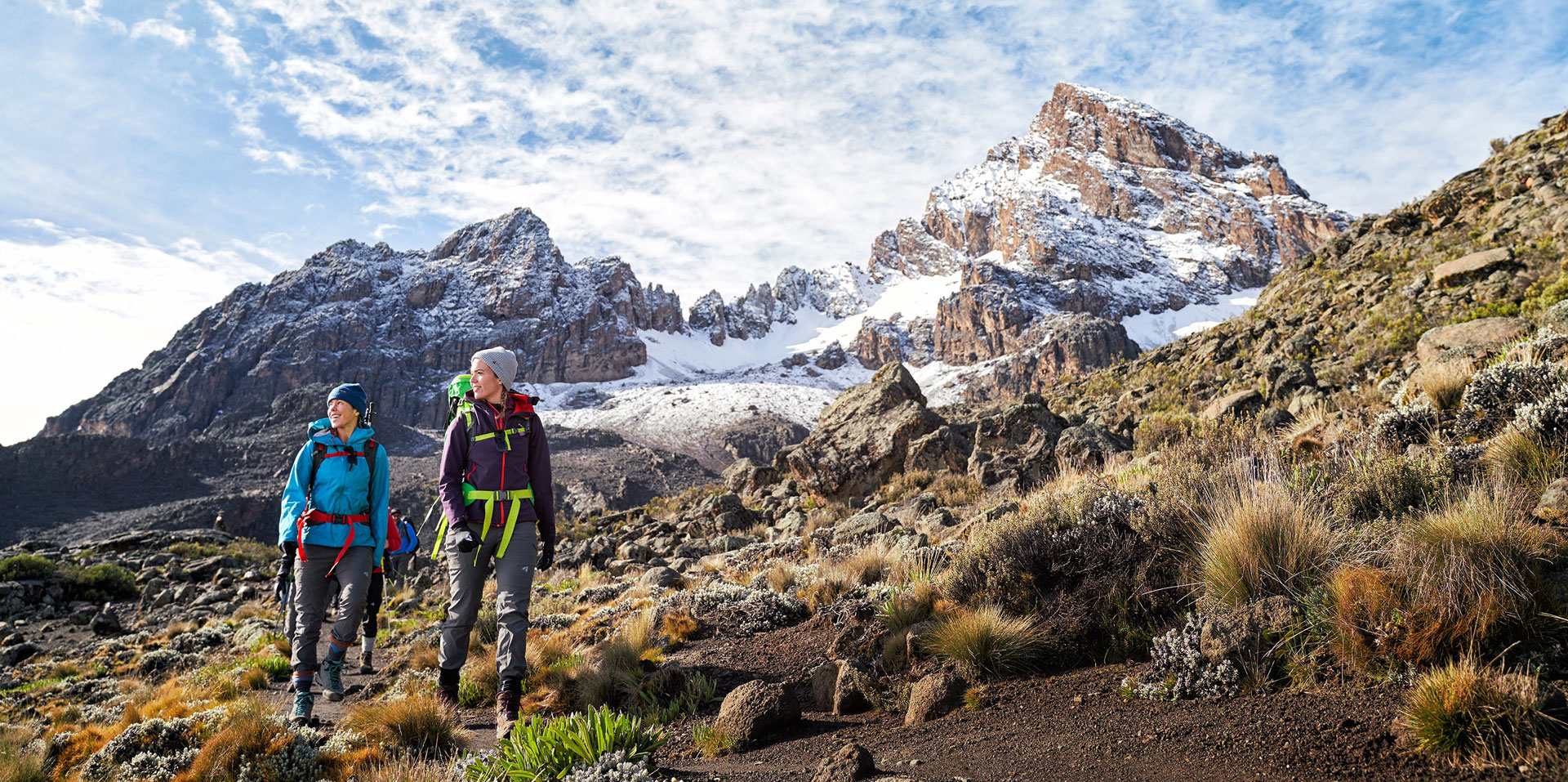
As you ascend, Kilimanjaro reveals its alpine desert and moorland zones—places where the air thins and the landscape becomes stark and awe-inspiring. It is in these high-altitude zones that the spiritual nature of the climb intensifies. The struggle with fatigue and altitude tests your resilience, and climbers often find themselves reflecting on their own lives, choices, and purpose.
Here, silence speaks volumes. The wind through the high grasses, the vast panoramic views, and the solitude of the trail encourage self-reflection. Trekkers often report feeling a profound sense of connection—to the Earth, to the universe, and to something within themselves that is rarely touched in daily life.
Summit Day: A Spiritual Awakening
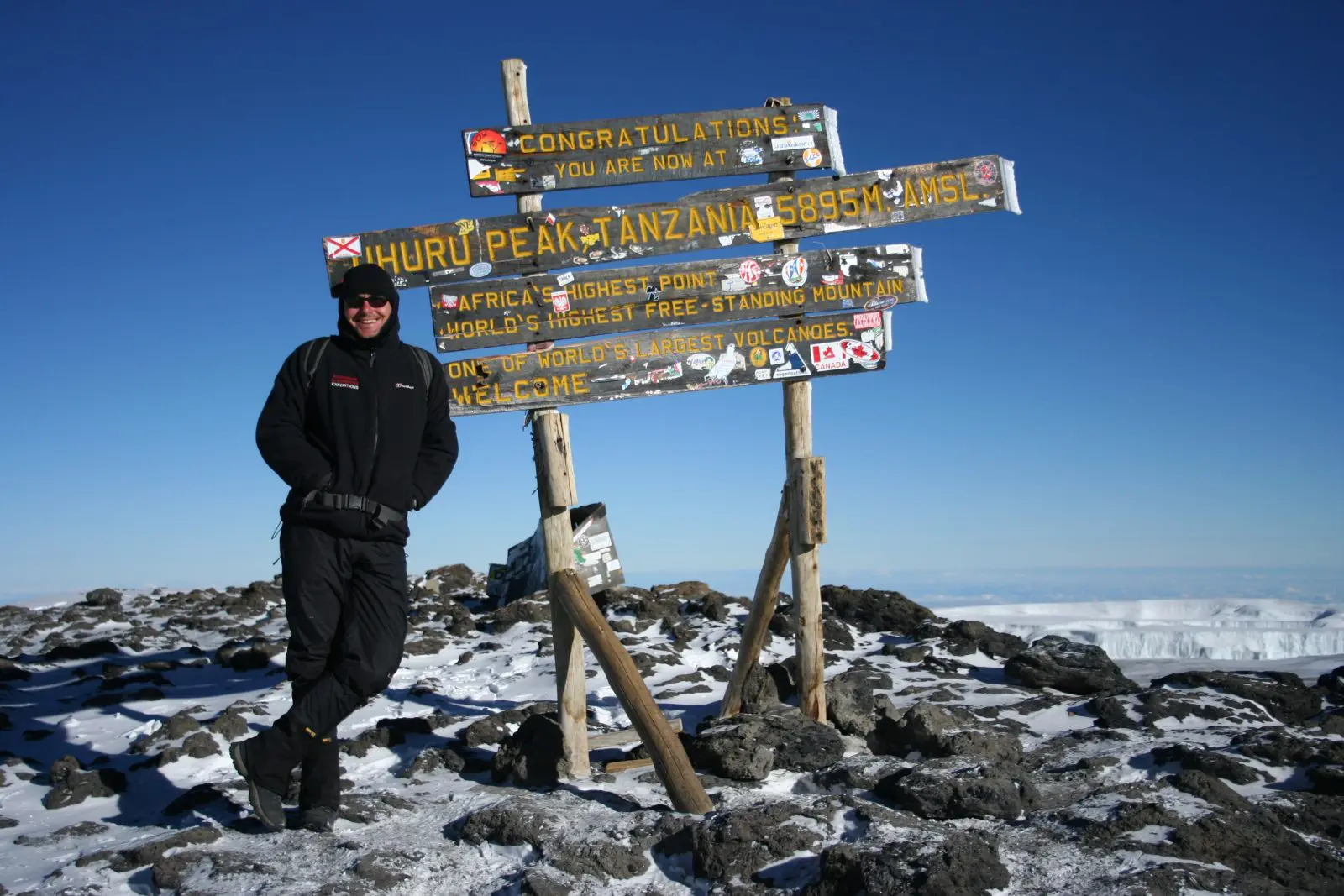
The final push to Uhuru Peak—the roof of Africa—is both physically grueling and spiritually illuminating. Many climbers begin their ascent in the early hours of the morning, under the vast starry sky. The quiet, the chill, and the slow rhythm of each step create an almost meditative state.
Reaching the summit is more than conquering a mountain; it is a moment of profound clarity. As the sun rises over the African plains, the entire journey crystallizes into an experience of transcendence. Climbers often speak of tears, laughter, and a deep sense of gratitude. It is a symbolic rebirth—a reminder of human resilience and the beauty of life.
Reflections on the Descent
The descent from Kilimanjaro, though easier physically, carries its own spiritual lessons. Returning to lower altitudes allows climbers to integrate their experience, taking the clarity and insight gained on the mountain into their everyday lives. The summit becomes more than a physical destination; it becomes a guiding metaphor for life—perseverance, patience, reflection, and spiritual growth.
Preparing for Your Spiritual Journey
For those seeking both physical and spiritual fulfillment on Kilimanjaro, preparation is key:
-
Mindful Planning: Choose a route that allows time for acclimatization. The longer routes, like Lemosho or Northern Circuit, provide both safety and the space for reflection.
-
Physical Training: Strengthening your body ensures your mind can fully engage in the spiritual aspects of the climb without being preoccupied by physical strain.
-
Mental Readiness: Meditation, journaling, or personal rituals before and during the climb can deepen your spiritual experience.
-
Connection with Nature: Take time on each day’s hike to pause, observe, and breathe—Kilimanjaro is as much a teacher as it is a mountain.
Conclusion
Climbing Kilimanjaro is a journey of duality—challenging the body while awakening the spirit. Each step, from the lush forests to the icy summit, offers lessons in patience, resilience, and mindfulness. For those who dare to embrace both the physical and spiritual journey, Kilimanjaro promises not just a peak to conquer, but a personal transformation that lasts a lifetime.


