
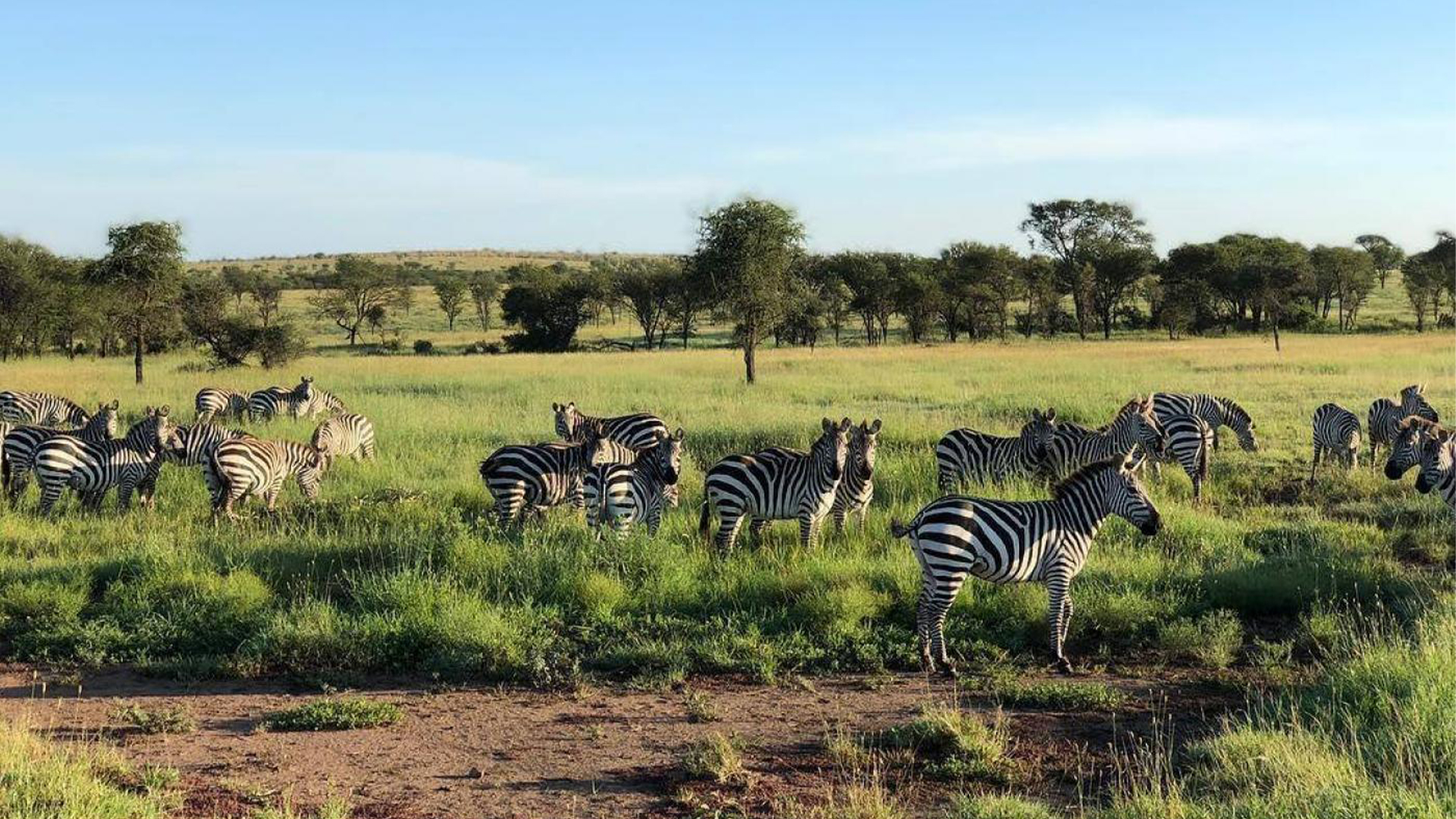
Tanzania is a land of unmatched natural beauty, teeming wildlife, and vibrant cultures. Its sweeping savannahs, volcanic craters, lush forests, and sparkling lakes create an unforgettable backdrop for an African safari. For both first-time travelers and seasoned adventurers, preparation is key to making the most of this incredible experience. This guide covers everything you need to know—from choosing the right parks and seasons to essential gear, safety, and insider tips.
Discovering Tanzania’s Iconic Safari Destinations
Understanding what each safari destination offers is essential for crafting your ideal itinerary:
-
Serengeti National Park: Perhaps Tanzania’s most famous park, the Serengeti is the stage for the world-renowned Great Migration, where millions of wildebeest and zebras traverse its plains. Beyond migration season, the park offers year-round sightings of lions, cheetahs, leopards, elephants, giraffes, and countless bird species. Photographers and wildlife enthusiasts find endless opportunities here.
-
Ngorongoro Conservation Area: Known as the “Eighth Wonder of the World,” Ngorongoro’s volcanic crater is home to a dense population of wildlife. Unlike other parks, the crater floor allows visitors to spot nearly all of the Big Five in one day. The surrounding highlands also offer cultural encounters with the Maasai people.
-
Tarangire National Park: Famous for its ancient baobab trees and large elephant herds, Tarangire offers a less crowded safari experience. During the dry season, wildlife congregates near the Tarangire River, creating perfect conditions for photography and observation.
-
Selous Game Reserve (Nyerere National Park): One of the largest protected areas in Africa, Selous offers a true wilderness experience. With fewer tourists, visitors can enjoy boat safaris, walking safaris, and a tranquil connection with nature.
-
Lake Manyara National Park: A smaller but spectacular park, Lake Manyara is renowned for its flamingo-filled alkaline lake, dense forests, and iconic tree-climbing lions. It’s ideal for travelers with limited time or those seeking diverse scenery in a short visit.
-
Ruaha National Park: A hidden gem, Ruaha is Tanzania’s largest park and home to large prides of lions, rare African wild dogs, and vibrant birdlife. Its remoteness ensures a peaceful, authentic safari experience.

Planning Your Safari: Timing, Duration, and Style
Proper planning can make the difference between an ordinary and extraordinary safari:
-
Choosing the Best Season:
-
Dry Season (June – October): The preferred time for wildlife viewing. Animals gather around rivers and waterholes, making sightings easier. The weather is generally sunny and stable, though mornings and evenings can be chilly.
-
Wet Season (November – May): This season transforms Tanzania into a lush, green paradise. Although wildlife is more dispersed, it’s an excellent time for birdwatchers, photography, and avoiding crowds. Rain showers tend to be short and sporadic.
-
-
Safari Duration: A minimum of 3–4 days allows you to explore a couple of parks comfortably. Longer safaris (7–10 days) offer opportunities to visit multiple regions, experience both northern and southern circuits, and enjoy specialized activities like walking or boat safaris.
-
Safari Styles:
-
Budget Safaris: Camping under the stars or staying in basic lodges while enjoying guided game drives.
-
Mid-Range Safaris: Comfortable lodges, tented camps, and organized group tours with a balance of comfort and adventure.
-
Luxury Safaris: Exclusive lodges, private game drives, gourmet meals, and personalized itineraries for those seeking premium experiences.
-
Essential Safari Gear and Packing Tips
Packing for a safari requires careful planning to stay comfortable, safe, and prepared for varying weather:
-
Clothing: Neutral, earthy colors such as khaki, olive, and beige help you blend into the environment. Layering is crucial—lightweight clothing for daytime, warmer layers for early mornings and nights, and waterproof gear during the wet season.
-
Footwear: Durable, comfortable hiking boots or shoes suitable for uneven terrain. Closed shoes are recommended for walking safaris.
-
Accessories: Sunglasses, wide-brimmed hats, sunscreen, and insect repellent are must-haves. Binoculars allow for better wildlife viewing, and a high-quality camera or smartphone ensures you capture your memories.
-
Health Essentials: Carry basic first aid supplies, personal medications, and malaria prophylaxis if recommended. Hydration packs or water bottles are essential, as altitude and warm weather can quickly dehydrate you.
Safari Safety and Etiquette
Following proper safety measures and etiquette ensures a respectful, responsible, and enjoyable experience:
-
Respect Wildlife: Keep a safe distance, avoid sudden movements, and never attempt to feed animals.
-
Follow Guide Instructions: Your guide knows the terrain, wildlife behavior, and safety protocols. Always heed their advice.
-
Cultural Respect: When visiting local communities, ask permission before taking photos and engage respectfully. Supporting local artisans and markets contributes positively to communities.
-
General Safety Tips: Avoid wandering off alone, keep valuables secured, and remain aware of your surroundings. Use sun protection and stay hydrated, especially during game drives.
Maximizing Your Safari Experience
To truly make the most of your Tanzanian safari, consider these insider tips:
-
Time Your Game Drives: Early mornings and late afternoons are the best times for wildlife activity and spectacular lighting for photography.
-
Walking Safaris: Explore the bush on foot with an experienced guide to learn about animal tracks, plants, and smaller creatures often missed from vehicles.
-
Night Safaris: Some parks, like Selous, offer night drives to see nocturnal animals such as civets, genets, and bush babies.
-
Cultural Excursions: Engage with local Maasai villages, participate in traditional dances, or learn about local crafts for a richer, more immersive experience.
-
Optional Add-Ons: Balloon safaris over the Serengeti or boat safaris on Lake Tanganyika or Selous can add unforgettable moments to your trip.

Health, Fitness, and Mental Preparedness
Being physically prepared enhances your safari experience:
-
Moderate fitness levels improve stamina during long game drives or optional walking safaris.
-
Stretching and light exercises before your trip can reduce fatigue during extended periods in vehicles.
-
Mental preparation is equally important—be patient, embrace the pace of the wild, and remain open to unexpected moments. Safaris are as much about experiencing nature’s unpredictability as they are about spotting wildlife.
Conclusion
Tanzania offers a safari experience that is unmatched anywhere in the world. By planning wisely, choosing the right parks, packing smartly, respecting wildlife and local cultures, and embracing the adventure, you can turn your journey into a once-in-a-lifetime experience. A Tanzanian safari is more than a vacation—it’s a journey into the heart of Africa, where every sunrise over the savannah and every encounter with wildlife becomes a memory to cherish forever.


