
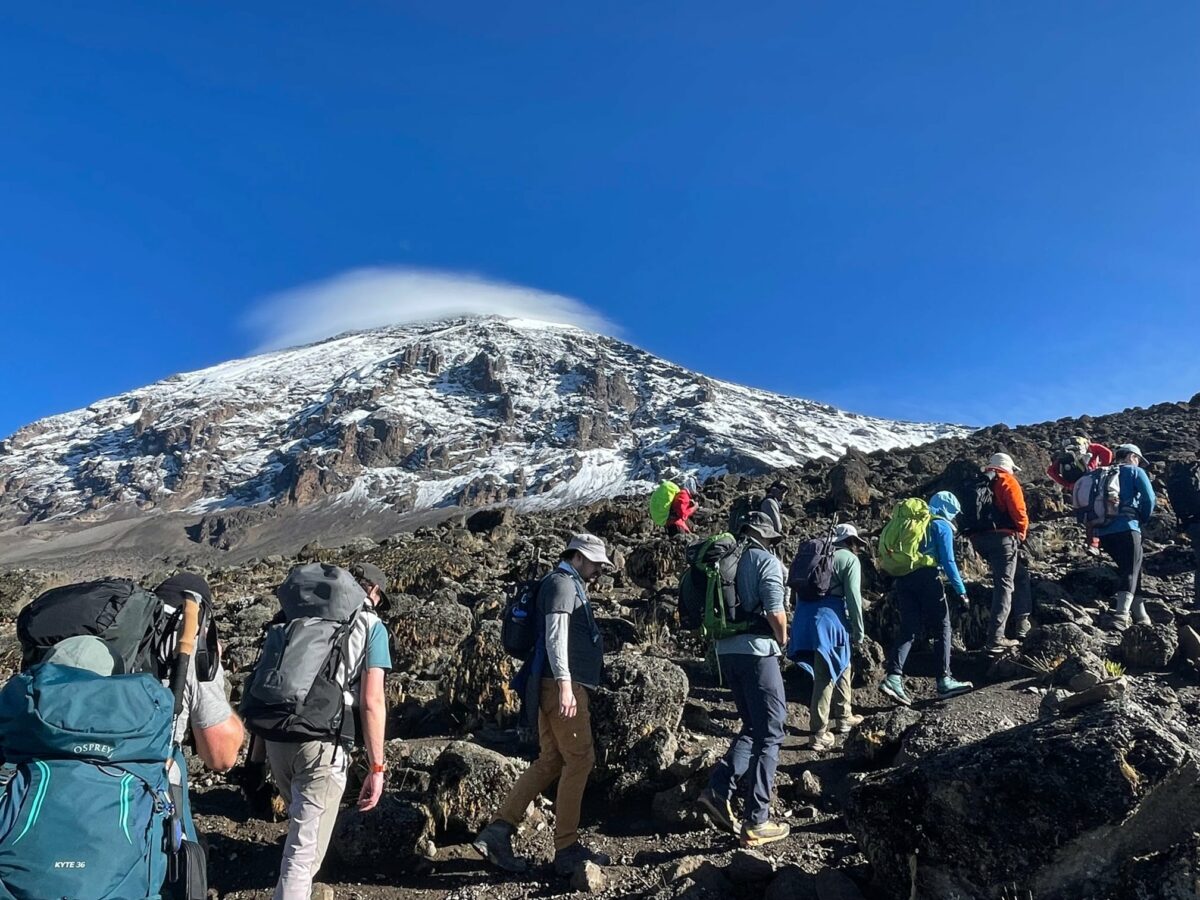
Climbing Mount Kilimanjaro, Africa’s tallest peak at 5,895 meters (19,341 feet), is a once-in-a-lifetime adventure. From lush rainforests to alpine deserts and icy summit vistas, the mountain offers diverse landscapes that captivate trekkers. Achieving the summit safely requires preparation, strategy, and mental fortitude. Here’s a comprehensive guide with tips for a successful Kilimanjaro climb to help you reach Uhuru Peak with confidence.
1. Choose the Best Route for Your Goals
Kilimanjaro has several well-established routes, each with unique challenges, scenery, and acclimatization benefits:
-
Marangu Route: Known as the “Coca-Cola Route,” it is the only route with hut accommodations. It’s easier in terms of logistics but has a slightly lower summit success rate.
-
Machame Route: Popular for its stunning scenery and varied landscapes. Offers good acclimatization with a higher summit success rate.
-
Lemosho Route: Ideal for scenic variety, solitude, and gradual acclimatization, increasing the chances of reaching the summit.
-
Rongai Route: Approaches from the north, less crowded, drier, and offers a unique perspective of the mountain.
-
Northern Circuit Route: The longest route, excellent for acclimatization, with sweeping 360-degree views and a high summit success rate.
Tip: Select a route based on your fitness level, trekking experience, and the number of days you have. More days generally increase your chances of summiting successfully.

2. Focus on Acclimatization
Altitude sickness is the primary challenge on Kilimanjaro. Proper acclimatization is essential:
-
Follow the “climb high, sleep low” principle, which allows your body to adjust gradually to higher elevations.
-
Include an extra acclimatization day if your route allows (especially on Lemosho or Northern Circuit).
-
Avoid alcohol and heavy meals, and drink plenty of water to help your body adapt.
-
Recognize symptoms like headaches, nausea, dizziness, or fatigue and communicate with your guide immediately.
Proper acclimatization significantly improves your chances of reaching Uhuru Peak safely.
3. Train Your Body Physically
Kilimanjaro is a long and demanding trek, requiring both endurance and strength:
-
Cardiovascular training: Hiking, running, cycling, or swimming to build stamina.
-
Strength training: Squats, lunges, planks, and core exercises strengthen legs, back, and stability.
-
Practice hikes: Long hikes with a loaded backpack simulate real conditions and improve endurance.
-
Adapt to varying conditions: Train in different terrains and weather conditions if possible.
Physical preparation reduces fatigue and makes steep ascents and long trekking days more manageable.
4. Pack Smart and Wisely
Packing the right gear is crucial for comfort and safety:
-
Clothing: Lightweight base layers, insulating mid-layers, waterproof outer layers, thermal gloves, and hats.
-
Footwear: Sturdy, broken-in hiking boots with ankle support; moisture-wicking socks.
-
Accessories: Sunglasses, buff or scarf for dust, headlamp, trekking poles.
-
Backpack: Daypack for essentials like water, snacks, camera, and extra clothing.
-
Health Essentials: Sunscreen, personal medications, first aid kit, lip balm, and hydration packs.
Pro Tip: Pack light but don’t compromise on essentials. Overpacking can tire you out unnecessarily.
5. Hydration and Nutrition Are Key
Maintaining energy and staying hydrated is critical on high-altitude climbs:
-
Drink 3–4 liters of water daily, sipping frequently rather than all at once.
-
Eat high-energy snacks like nuts, chocolate, and energy bars between meals.
-
Include warm meals and soups provided by your trekking crew for optimal energy.
-
Avoid alcohol and limit caffeine as both can contribute to dehydration.
Proper hydration and nutrition improve stamina and reduce the risk of altitude-related illnesses.
6. Set a Steady Pace
Climbing Kilimanjaro is not a race; pacing is essential:
-
Maintain a slow, consistent pace to conserve energy and adapt to altitude.
-
Take short breaks to rest, hydrate, and enjoy the scenery.
-
Focus on breathing steadily during steep sections like Lava Tower or Gilman’s Point.
Pacing yourself increases the likelihood of reaching the summit successfully while minimizing exhaustion.
7. Rely on Experienced Guides
Professional guides are crucial for a safe and successful climb:
-
Monitor your health and detect early signs of altitude sickness.
-
Provide local knowledge of terrain, weather, and mountain behavior.
-
Assist with logistics, meals, and carrying group equipment.
Choosing a reputable trekking company ensures safety, support, and a smoother overall experience.
8. Prepare Mentally for the Challenge
Mental preparation is as important as physical fitness:
-
Visualize reaching the summit and staying positive during difficult sections.
-
Focus on small milestones, like reaching a camp or a scenic viewpoint.
-
Celebrate achievements along the way to maintain morale.
A strong mental attitude helps climbers overcome fatigue and altitude challenges.
9. Respect the Mountain and Environment
Kilimanjaro is a natural wonder, and ethical trekking preserves it:
-
Follow Leave No Trace principles, taking all trash back with you.
-
Respect wildlife and avoid disturbing the fragile ecosystem.
-
Stick to established trails to prevent erosion and protect vegetation.
Responsible trekking ensures that future adventurers can enjoy Kilimanjaro as you did.
10. Enjoy the Journey
Finally, remember that Kilimanjaro is more than a summit—it’s an experience of a lifetime:
-
Take photos, enjoy the changing landscapes, and savor every moment.
-
Appreciate the rainforests, alpine deserts, and glacial vistas along the way.
-
At Uhuru Peak, pause, reflect, and celebrate your incredible achievement.
The climb is about the journey as much as the destination.
Conclusion
A successful Kilimanjaro climb requires preparation, fitness, mental strength, and respect for the mountain. By choosing the right route, focusing on acclimatization, training your body, packing smartly, staying hydrated, pacing yourself, and trusting your guides, you increase your chances of reaching Uhuru Peak safely.
With careful planning and determination, climbing Kilimanjaro becomes more than just a challenge—it becomes a life-changing adventure, offering memories and personal triumphs that last forever.


