
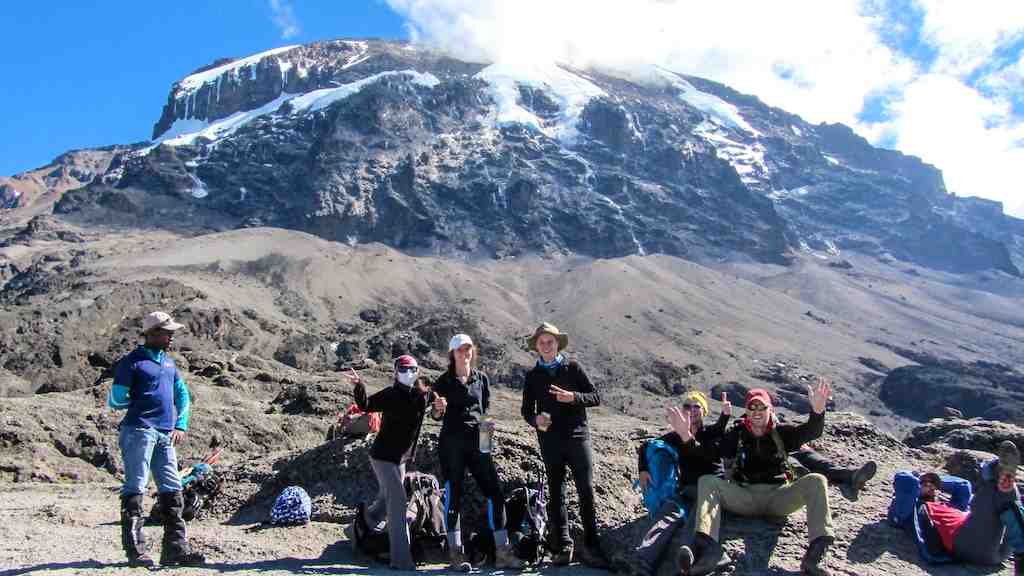
Training for Kilimanjaro in flat terrain regions requires a strategic approach to build the necessary cardiovascular endurance, leg strength, and overall fitness required for the ascent. At Kermali Tours & Safaris Ltd, we understand the unique challenges posed by flat landscapes, and we’ve curated a comprehensive training guide to prepare you for the climb.
Cardiovascular Endurance
- Walking/Running: Regular brisk walking or running is essential for building cardiovascular endurance. Aim for at least 3 to 5 sessions per week, gradually increasing the duration of each session.
- Cycling: Incorporate cycling into your routine to engage different muscle groups and improve overall cardiovascular fitness. Long, steady rides are beneficial for building endurance.
- Elliptical Training: Utilize elliptical machines at the gym, simulating the climbing motion. This low-impact exercise is excellent for building stamina without strain on the joints.

Leg Strength
- Stair Climbing: If hills are not readily available, find a set of stairs and incorporate stair climbing into your routine. This mimics the upward movement of hiking and strengthens your quads, hamstrings, and calves.
- Resistance Training: Include strength training exercises focusing on your legs, such as squats, lunges, and leg presses. Strengthening these muscle groups is crucial for tackling Kilimanjaro’s steep sections.

Endurance Training
- Long-Distance Walking: Schedule long-distance walks on weekends, gradually increasing the distance each week. This helps your body adapt to extended periods of walking, similar to the demands of Kilimanjaro.
- Back-to-Back Training: Mimic consecutive days of hiking by incorporating back-to-back training sessions on weekends. This helps your body adjust to the physical demands of multiple days of trekking.

Core Strength
- Planks and Core Exercises: A strong core is essential for maintaining balance and stability during the climb. Include planks, Russian twists, and other core exercises in your routine.

Altitude Simulation
- Interval Training: Simulate the reduced oxygen levels you’ll encounter at higher altitudes by incorporating interval training into your routine. Increase the intensity of your workouts for short bursts to challenge your cardiovascular system.

Mental Preparation
- Visualization: Practice mental preparedness by visualizing yourself successfully navigating the challenging sections of the climb. This mental rehearsal can enhance your confidence and focus.
Kermali Tours & Safaris Ltd Training Support
- Communication with Guides: Stay in touch with our experienced guides at Kermali Tours & Safaris Ltd. Share your training progress and seek advice on adjusting your regimen based on your individual needs and the specific requirements of Kilimanjaro.
Conclusion:
Remember to gradually increase the intensity and duration of your training, allowing your body to adapt to the demands of Kilimanjaro. The goal is to build a solid foundation of endurance, strength, and mental resilience. With proper preparation and the support of Kermali Tours & Safaris Ltd, you’ll be well-equipped for the adventure that awaits you on the Roof of Africa.


